

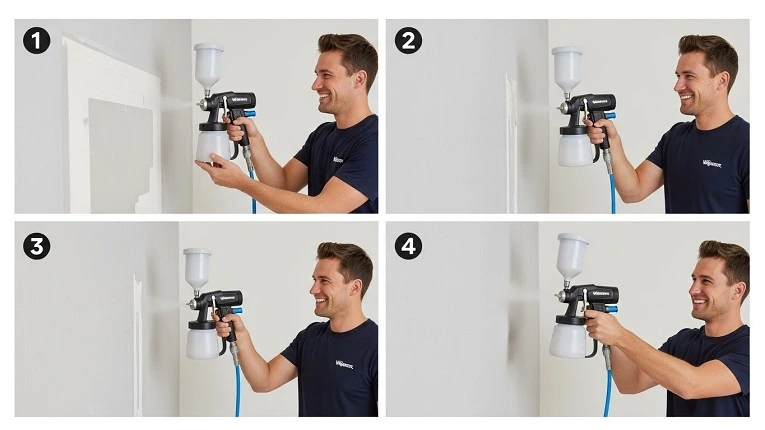
Painting projects, whether on walls, furniture, cabinets, or fences, can be time‑consuming and tiring with a brush and roller. A Wagner paint sprayer helps you speed up your work while achieving a smooth, professional‑looking finish. In this definitive guide, we’ll explore everything from types of Wagner sprayers (HVLP, airless, hybrid) to setup tips, maintenance advice, and real‑world pros and cons. You’ll learn how these tools work, how to use them correctly, and which models suit specific home improvement tasks.
Whether you’re a DIY enthusiast or home improvement beginner, this article covers the key features, step‑by‑step usage strategies, troubleshooting, and how to choose the right Wagner sprayer for your needs. With insights from expert reviews and user experience, you’ll be ready to spray like a pro and avoid common mistakes many first‑time users make.
Types of Wagner Paint Sprayers
Understanding the various Wagner paint sprayer types helps you match the tool to the job:
HVLP (High Volume Low Pressure) Sprayers
HVLP sprayers deliver a fine, low‑pressure mist, ideal for detail work like cabinets, doors, trim, and furniture. They provide excellent finish quality with minimal overspray and quieter operation. However, they may require thinning paint, especially thicker coatings.
Airless Sprayers
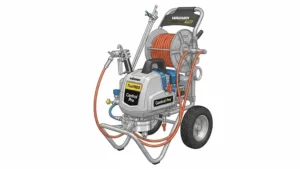
Airless models, including Wagner’s Control Pro series, atomize paint by forcing it through a small tip at very high pressure (often over 1000 psi). This allows fast coverage of large surfaces and sprays unthinned paints effectively, perfect for exterior walls, decks, and large rooms. Wagner’s High Efficiency Airless (HEA) technology reduces overspray by up to 55 % compared to traditional airless systems.
Hybrid & Flexio Series
Some Wagner models, like the Flexio lineup, blend features of both HVLP and airless technologies, offering variable spray patterns and adjustable power for mixed indoor/outdoor tasks. They’re versatile options for general DIY painting.
Key Features of Wagner Sprayers
When choosing a Wagner paint sprayer, consider these features:
1. HEA Technology
Wagner’s High Efficiency Airless delivers a softer spray with less overspray than standard airless, ideal if you want professional results with less mess.
2. Adjustable Spray Patterns
Most Wagner sprayers include controls for spray width and pattern direction (horizontal vs vertical), letting you easily tailor coverage for walls or cabinets.
3. Nozzles & Tips
Different tips (i.e., iSpray, detail finishes) influence how fine or heavy the paint comes out. Choosing the right tip based on project and paint type makes a big difference in finish quality.
4. Portability & Ergonomics
Cordless HVLP units and wheeled airless carts make handling easier on big jobs, while lightweight guns reduce fatigue during long sessions.
How to Use Your Wagner Paint Sprayer
Here’s a step‑by‑step process to get great results:
Prep & Safety
Cover floors, furniture, and fixtures with drop cloths or plastic sheeting. Wear protective gear (mask and eye protection) because spray particles can disperse widely.
Thin & Strain Paint
Some paints, especially thicker latex or enamel, may need thinning before spraying. Straining paint through a mesh removes clumps that could clog the sprayer.
Set Spray Pattern
Adjust the nozzle for the right fan pattern (wide for walls, narrow for trim). Keep the sprayer 6–12 inches from the surface and move in smooth, consistent passes.
Technique Matters
Move the sprayer steadily and parallel to the work surface. Slightly overlap strokes (~50 %) for even coverage. Starting slow and adjusting speed typically yields better control.
Comparing Popular Wagner Models
Choosing the right sprayer depends on your project:
| Model | Type | Best For |
|---|---|---|
| Wagner Control Pro 130 | HEA Airless | Walls, fences, and large jobs |
| Wagner Flexio 570 | HVLP Hybrid | Furniture, cabinets |
| Wagner Flexio 890 | HVLP with dual nozzles | Indoor & outdoor versatility |
| Wagner Power Painter | Airless | Heavy‑duty exterior tasks |
For example, the Control Pro is a great all‑purpose unit with HEA tech, while the Flexio 570 offers versatility for both paint and stain projects.
Tips for Professional‑Quality Results
Minimize Overspray
Mask off areas carefully, use lower pressure settings, and keep the spray distance consistent. Overspray can settle on unintended surfaces, especially indoors.
Test First
Before spraying the actual surface, test on scrap wood or cardboard to dial in pressure and technique. This reduces guesswork on the main project.
Move Smoothly
Jerky or uneven motion can create runs or splotches. Keep a steady pace throughout the spraying motion.
Maintenance, Cleaning & Storage
Daily Cleanup
Flush the sprayer with appropriate cleaning solution after each use (soap and water for latex, mineral spirits for oil‑based). Regular cleaning prevents clogs.
Deep Cleaning
Occasionally, disassemble the nozzle and internal parts for a thorough cleaning if performance drops. It helps prevent buildup and prolongs tool life.
Storage
Store units dry and clean to avoid corrosion. For seasonal storage, follow manufacturer instructions, especially for airless pumps.
Troubleshooting Common Issues
Clogs or Spitting
Unthinned paint or debris can cause spray spitting. Filter paint and flush lines before use.
Uneven Coverage
Inconsistent distance or speed often leads to streaks. Maintain steady motion and overlap passes.
Paint Mistakes
Too high spray pressure can cause overspray; too low may not atomize paint well. Adjust carefully and test.
Pros & Cons, User Perspectives
What People Love
- Faster than brush rolling
- Smooth finish on large surfaces
- HEA tech reduces overspray significantly
Common Complaints
- Learning curve for first‑timers
- Cleanup takes time
- Some models require paint thinning
Reddit users note that prep work and masking significantly influence satisfaction, and performance varies by model and application.
Conclusion
A Wagner paint sprayer is a valuable tool for anyone tackling DIY painting projects, from furniture touch‑ups to interior walls and deck staining. Understanding the differences between sprayer types (HVLP, airless, and hybrid), learning how to set up and operate the sprayer correctly, and maintaining it regularly will help you achieve professional‑looking results with less effort than traditional brushes and rollers. While there’s a learning curve for new users and cleanup takes time, the speed and finish quality often make it worth the investment for both occasional and frequent DIYers.
Whether you’re repainting a room or refinishing cabinets, Wagner’s range of sprayers lets you choose a tool that fits your project size, your skill level, and your budget.
FAQs
1. What paint types can I use with a Wagner paint sprayer?
Most Wagner sprayers can handle latex, enamel, stain, and primer, though some thick paints may need thinning.
2. Do I need to thin paint before using the sprayer?
It depends on the model and paint thickness; HVLP sprayers often benefit from thinning for smoother atomization.
3. How close should I hold the sprayer?
Keep about 6–12 inches from the surface and move at a steady pace.
4. Why is overspray happening?
Overspray can occur when pressure is too high or masking is inadequate. Adjust settings and increase coverings.
5. Are Wagner sprayers good for beginners?
Yes, especially HVLP units and HEA airless models with adjustable controls provide user‑friendly operation.