

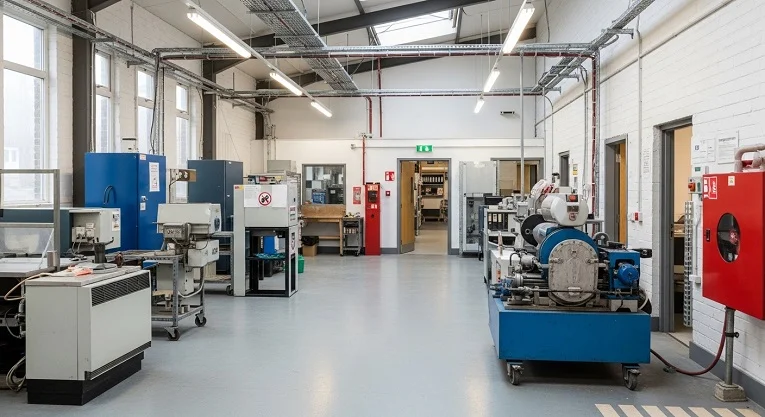
Workplace safety is a top priority for employers and property managers. Fires in commercial settings can cause serious damage, disrupt business operations, and endanger employees and visitors. Because workplaces often contain electrical equipment, machinery, flammable materials, and heating appliances, assessing fire risk is critical to maintaining a safe environment.
A Fire Risk Assessment provides a systematic approach to identifying hazards, evaluating risks, and implementing preventive measures. By conducting regular assessments, workplaces can reduce the likelihood of fire incidents and ensure compliance with safety regulations.
This article outlines the best practices for conducting a Fire Risk Assessment in workplaces, from identifying hazards to maintaining effective fire safety measures.
Understanding the Importance of Fire Risk Assessments in Workplaces
A Fire Risk Assessment helps employers and property managers proactively manage fire hazards. It ensures that fire prevention measures are in place, evacuation routes are clear, and safety equipment is functional.
Workplaces face unique challenges compared to residential properties. Offices, warehouses, factories, and retail stores may contain complex electrical systems, flammable stock, or high-occupancy areas. Assessing fire risks is essential to protect employees, customers, and assets.
Regular assessments also demonstrate compliance with fire safety legislation. Maintaining up-to-date reports can protect businesses from legal liability in the event of an incident.
Step 1: Identify Fire Hazards in the Workplace
The first step in a Fire Risk Assessment is identifying potential fire hazards:
- Electrical equipment and wiring: Check for damaged cables, overloaded outlets, and faulty devices.
- Heating systems: Inspect boilers, heaters, and ventilation units.
- Cooking appliances: Kitchens in offices, cafeterias, or restaurants pose fire risks.
- Flammable materials: Paper, chemicals, textiles, and cleaning supplies should be stored safely.
- Machinery and equipment: Some machines may generate heat or sparks.
Identifying hazards allows workplaces to prioritize mitigation strategies.
Step 2: Evaluate People at Risk
Workplaces host various types of occupants, including employees, visitors, contractors, and sometimes vulnerable groups such as elderly staff or individuals with disabilities.
A Fire Risk Assessment evaluates the risk to each group and determines whether additional safety measures are necessary. For example, workplaces with high staff turnover may require extra training on evacuation procedures.
Understanding who is at risk ensures that fire safety measures are tailored to the specific needs of the workplace.
Step 3: Review Existing Fire Safety Measures
Workplace safety depends on effective equipment and procedures. During the assessment, inspectors check:
- Smoke detectors and fire alarms: Proper installation, functionality, and coverage
- Fire extinguishers: Correct type, accessible placement, and maintenance records
- Emergency lighting: Ensures visibility during power outages or smoke-filled conditions
- Fire doors: Check operation, seals, and compliance with regulations
- Evacuation plans: Confirm that routes are clearly marked and regularly practiced
Reviewing these measures ensures that existing protections adequately address potential risks.
Step 4: Assess Risk and Implement Controls
Once hazards and people at risk are identified, inspectors evaluate how well current safety measures control the risks. This may include checking if escape routes are obstructed, if fire doors are functional, or if hazardous materials are stored safely.
After evaluation, recommendations are provided for risk reduction, including installation of additional equipment, staff training, or improved maintenance schedules.
Step 5: Record and Communicate Findings
After the assessment, a detailed report is prepared. The report outlines:
- Identified fire hazards
- Level of risk for different occupants
- Assessment of existing fire safety measures
- Recommended actions for reducing risk
Communicating these findings to staff and management ensures that everyone is aware of safety responsibilities and emergency procedures.
Step 6: Implement Fire Safety Improvements
Based on the recommendations, workplaces should implement measures to reduce fire risk. Actions may include:
- Installing extra smoke alarms or fire extinguishers
- Removing obstructions from corridors and stairwells
- Updating emergency lighting and exit signage
- Conducting staff training and fire drills
Implementing these improvements ensures the workplace remains a safe environment.
Step 7: Regular Review and Maintenance
Fire Risk Assessments are not a one-time exercise. Regular review and maintenance ensure ongoing protection:
- Conduct annual assessments for most workplaces
- Schedule more frequent checks in high-risk areas, such as kitchens or warehouses
- Update assessments after renovations or changes in occupancy
- Maintain fire safety equipment with regular testing and servicing
Routine maintenance ensures that fire safety systems remain functional and compliant with regulations.
Common Workplace Fire Hazards
Workplaces often encounter common hazards such as:
- Faulty electrical equipment: Damaged cables or overloaded circuits
- Blocked exits: Storage items or furniture obstructing escape routes
- Improper storage of flammable materials: Chemicals, cleaning products, paper, and textiles
- Malfunctioning machinery or heating equipment: Can generate heat, sparks, or smoke
Identifying and addressing these hazards is a key outcome of a Fire Risk Assessment.
Benefits of Fire Risk Assessments in Workplaces
Fire Risk Assessments help workplaces by:
- Reducing the risk of fire incidents
- Protecting employees, visitors, and property
- Ensuring legal compliance with fire safety legislation
- Improving emergency preparedness and evacuation plans
- Minimizing financial, legal, and reputational risk
By following best practices, workplaces can maintain a safer environment and prevent costly incidents.
Conclusion
Workplace fire safety requires diligence, planning, and regular review. A Fire Risk Assessment provides a systematic approach to identifying hazards, evaluating risks, and implementing safety measures.
Employers and property managers who prioritize fire safety protect lives, maintain compliance, and reduce the likelihood of costly incidents. Regular assessments, staff training, and proper maintenance of safety equipment ensure that workplaces remain safe and secure for all occupants.
Fire prevention is an ongoing responsibility, and adopting best practices is essential for effective risk management.