

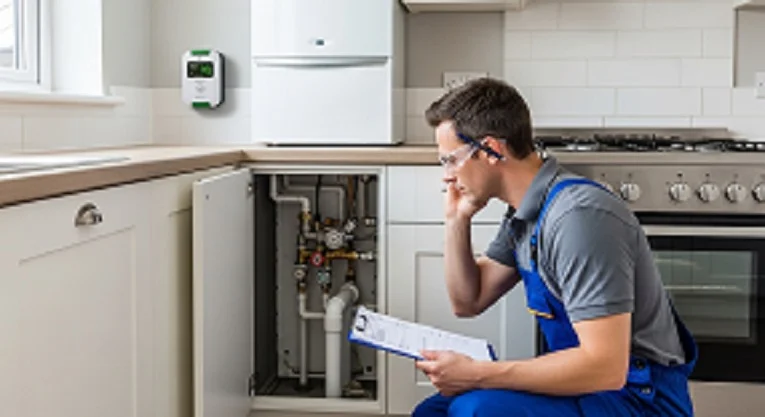
Gas Safety Certificate: Best Practices for Landlords and Tenants
Ensuring gas safety in properties is one of the most important responsibilities for landlords, property managers, and tenants. Faulty gas appliances can result in fires, leaks, or carbon monoxide poisoning. To mitigate these risks, properties with gas appliances should always have a valid Gas Safety Certificate.
A Gas Safety Certificate is issued by a Gas Safe registered engineer following a thorough inspection of all gas appliances and systems. It certifies that each appliance is safe to use, functional, and compliant with safety regulations. This guide provides best practices for landlords and tenants to maintain gas safety and meet legal obligations.
Understanding the Gas Safety Certificate
A Gas Safety Certificate is an official record that confirms:
- All gas appliances and pipework have been inspected
- Appliances are safe for use and meet legal standards
- Any faults or defects have been identified and addressed
The certificate is issued by a certified engineer and contains details of the inspection, appliances checked, and any recommendations for repairs or replacements.
Legal Requirements for Landlords
Landlords must comply with legal obligations regarding gas safety. These include:
- Conducting annual inspections of all gas appliances
- Using a registered gas engineer for inspections
- Issuing a copy of the certificate to tenants
- Keeping records of inspections for at least two years
- Promptly addressing any defects identified during inspections
Failure to comply with these requirements can result in fines, legal action, and liability for accidents.
Best Practices for Conducting Inspections
- Hire Certified Engineers – Only Gas Safe registered professionals can legally issue certificates.
- Inspect All Appliances – Boilers, cookers, heaters, water heaters, and pipework must be checked. For the electrical equivalent of this check, see our guide on EICR reports for homeowners.
- Check for Leaks and Defects – Gas leaks, faulty pipes, and blocked flues are common hazards.
- Ensure Proper Ventilation – Adequate ventilation is necessary to prevent carbon monoxide buildup.
- Document Findings – Maintain detailed records for compliance and tenant reference.
Following these practices ensures a thorough inspection and maintains safety standards.
Responsibilities of Tenants
Tenants also play a role in maintaining gas safety:
- Allow engineers access for inspections
- Report any suspected gas leaks or appliance malfunctions
- Avoid tampering with gas equipment
- Ensure carbon monoxide detectors are functioning properly
Collaboration between landlords and tenants is essential for effective gas safety management.
Common Gas Safety Issues
During inspections, engineers often identify:
- Gas leaks from appliances or pipework
- Blocked or damaged flues
- Malfunctioning or outdated appliances
- Carbon monoxide detectors not installed or not functioning
- Poor ventilation around boilers or heaters
Addressing these issues promptly reduces risk and ensures compliance.
Maintaining Compliance and Safety
To maintain gas safety and compliance:
- Schedule inspections annually
- Keep a copy of the Gas Safety Certificate in the property
- Maintain appliances regularly
- Educate tenants on safe gas use
- Replace defective appliances promptly
Ongoing attention to gas safety minimizes hazards and prevents legal issues.
Benefits of Following Best Practices
By adhering to these best practices, landlords and tenants gain several benefits:
- Reduced risk of accidents or gas-related emergencies
- Legal compliance and reduced liability
- Tenant confidence and peace of mind
- Protection of property and appliances
- Clear documentation for insurance and audits
Consistently following best practices is essential for long-term safety and compliance.
How to Handle Defects or Hazards
If defects are identified during an inspection:
- Arrange for immediate repair by a registered engineer
- Do not use the faulty appliance until it has been fixed
- Update the Gas Safety Certificate after repairs
- Inform tenants of completed repairs and safety measures
Prompt action ensures the property remains safe and compliant.
Conclusion
A Gas Safety Certificate is a critical document for landlords and tenants, confirming that gas appliances and systems are safe and compliant with regulations. By following best practices, including hiring certified engineers, conducting regular inspections, addressing defects promptly, and educating tenants, property owners can maintain a safe environment.
Prioritizing gas safety protects lives, reduces risk, and ensures legal compliance. Regular inspections and proper maintenance make the property a secure place for everyone.