

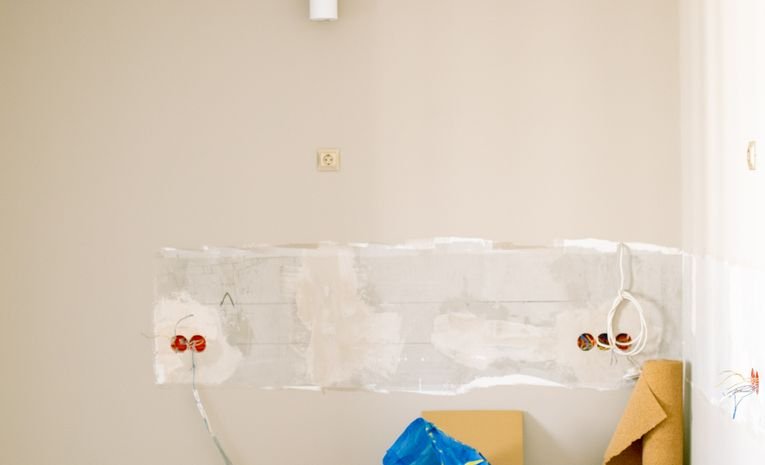
Quick answer: To remove wallpaper, score the surface with a scoring tool, soak it with warm water or a chemical stripper (or use a steamer), then peel it away with a stripping knife starting from a seam or corner. Clean the wall with warm soapy water afterwards to remove leftover adhesive before you paint or repaper.
Old, dated, or damaged wallpaper can make a room feel tired long before anything else does. The good news is that removing it yourself is a manageable weekend job, even if you have never done it before. This guide walks you through every method, from the classic score and soak approach to steamers and chemical strippers, plus what to do if you find damp or mould hiding underneath.
What You Need Before You Start
Gather your tools before you begin so you are not stopping halfway through a wall covered in wet paper.
- Scoring tool or a sharp utility knife
- Stripping knife (a wide, flexible one works best)
- Bucket, sponge, and warm water
- Wallpaper steamer or a chemical wallpaper stripper (you only need one)
- Dust sheets to protect the floor and furniture
- Masking tape for sockets and switches
- Safety goggles, gloves, and a dust mask
If you are working with power tools like a paint sprayer afterwards to redecorate, it helps to plan the whole job in one go so you are not moving dust sheets twice.
Before You Begin: Safety and Preparation
Wallpaper removal gets messy fast, so a bit of preparation saves you a lot of cleanup later.
- Clear the room of furniture, or cover everything with dust sheets.
- Cover the floor completely. Wet wallpaper scraps stick to carpets and hard floors alike.
- Turn off the electricity to the room and cover sockets and switches with masking tape, since both steaming and chemical methods involve liquid near the walls.
- Open a window. Chemical strippers need ventilation, and steam builds up humidity quickly.
Method 1: Score, Soak, and Strip
This is the simplest method and works well for older, paper-based wallpaper.
- Score the wallpaper lightly with your scoring tool, working in small sections. Do not press hard enough to damage the plaster underneath.
- Soak the scored area with a sponge and warm water.
- Leave it for around five minutes. Thicker or vinyl-coated paper may need longer.
- Work your stripping knife into the scored lines and peel the paper away from the wall.
- Repeat across the whole wall, re-wetting patches that have dried out.
Method 2: Chemical Stripper
Chemical strippers work faster than water alone and are useful for vinyl or painted-over wallpaper.
- Mix the stripper according to the manufacturer’s instructions.
- Wear gloves, goggles, and a mask while handling it.
- Apply the mixture with a spray bottle, brush, or roller, without oversoaking the paper.
- Let it sit for the time stated on the packaging, usually a few minutes.
- Scrape the paper away with a stripping knife, working from the edges inward.
Do not let the solution dry out before you scrape. If it does, simply spray it again.
Method 3: Steam Stripper
A steamer is the best option for larger rooms or stubborn, multi-layered wallpaper.
- Fill the tank with water and switch it on. It usually takes ten to fifteen minutes to heat up.
- Press the steam plate against the wallpaper for around fifteen to thirty seconds, starting at the top of the wall.
- Remove the plate and scrape the softened paper away with a stripping knife.
- Re-steam any stubborn patches, but avoid holding the plate on one spot for too long, as this can damage the plaster.
- Use the smaller attachment plate, if your steamer has one, for tight spots around sockets and switches.
How Long Does Wallpaper Removal Take?
For a single average-sized bedroom wall, expect one to two hours with the score and soak method, and slightly less with a steamer once it is up to temperature. A full room typically takes half a day for a first-timer, and multiple layers of old wallpaper or woodchip paper will add significant time. Working in short, wet sections rather than trying to strip a whole wall at once tends to be faster overall, since the paper does not have time to dry out and re-stick.
What If You Find Damp or Mould Behind the Wallpaper?
This is a common worry, and it is worth checking for before you repaper or repaint. Dark patches, a musty smell, or a soft, crumbly wall surface are all signs of damp rather than simple adhesive residue. If you spot this:
- Let the wall dry out fully before doing anything else. This can take several days depending on how wet it is.
- Wipe visible mould with a damp cloth and a suitable mould-killing product, wearing gloves throughout.
- If the patch is small and linked to condensation, improving ventilation in the room is often enough to stop it coming back.
- If the damp is widespread, or you suspect a leak or a failed damp-proof course, get a specialist to inspect the wall before you redecorate over it.
Papering or painting over active damp will only hide the problem temporarily, so it is worth sorting the cause first.
Removing Wallpaper from Plasterboard
Plasterboard is softer than solid plaster and damages more easily, so a gentler touch matters here. Avoid heavy scoring, since deep cuts can tear the paper lining on the board itself. Chemical strippers or a light steaming approach tend to be safer than aggressive scraping. If the paper was hung directly onto unlined plasterboard, expect some of the surface paper to lift with it. Small areas of damage can usually be smoothed over with a skim of filler before you redecorate.
Removing a Wallpaper Border
Borders come away more easily than full sheets of wallpaper.
- Fill a spray bottle with warm water and mist the border generously.
- Let the water soak in for a few minutes to loosen the adhesive.
- Peel the border away, starting from one end.
- Use a plastic scraper for any sections that resist, adding more water as needed.
Cleaning the Wall Before You Redecorate
Once the wallpaper is off, the wall needs to be clean and flat before you paint or repaper.
- Scrape off any remaining paper or dried adhesive with a stiff brush or scraper.
- For stubborn residue, apply a little more stripper or warm water and leave it to soften.
- Wipe the whole wall down with warm, soapy water on a cloth to remove any leftover paste.
- Let the wall dry fully before you start painting or hanging new paper.
Related Guides
Frequently Asked Questions
Can you remove wallpaper with fabric softener?
Yes, for older paper-based wallpaper. Mix equal parts hot water and fabric softener in a spray bottle, apply it generously, leave it to soak for around fifteen minutes, then peel from the bottom upwards. This method works less well on modern vinyl wallpaper, since the coating stops the liquid soaking through.
Can I paint over wallpaper instead of removing it?
It is not recommended. Paint often causes the paper to bubble or peel, and the seams of the old wallpaper will still show through. Removing the paper fully gives a much better finish.
Can I hang new wallpaper over old wallpaper?
This is generally not advised either. New paper often will not stick properly to old paper, and any bubbling or lifting underneath will show through the new layer.
How much does professional wallpaper removal cost in the UK?
Professional removal typically costs between £150 and £538, with a national average of around £350, depending on room size and how many layers need stripping.
Is it worth using a steamer for a small area?
For a single small wall or a border, the score and soak method with warm water is usually quicker and does not need the ten to fifteen minutes it takes for a steamer to heat up. Steamers pay off more on larger, multi-wall jobs.
Final Thoughts
Removing wallpaper is straightforward once you understand which method suits your paper type and how much patience the job needs. Take your time with preparation, work in manageable sections, and check for damp before you cover the wall again. Once the surface is clean and dry, you are ready for a fresh coat of paint or a new paper design.