

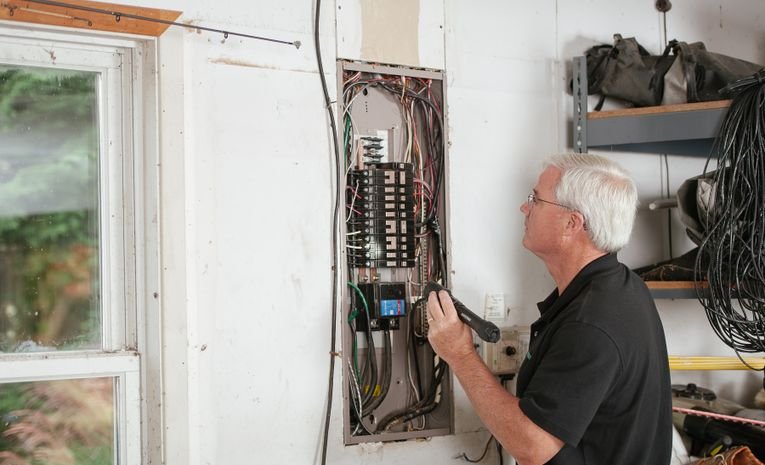
Quick answer: An EICR (Electrical Installation Condition Report) checks the safety of your home’s fixed wiring, sockets, and consumer unit against UK standard BS 7671. Homeowners typically need one when buying or selling a property, renewing certain insurance policies, or as routine safety maintenance every 10 years (5 years for rented homes). The report grades any issues found as C1, C2, C3, or FI, and anything C1 or C2 needs fixing before the property is considered safe.
Unlike a boiler service or a gutter clean, an EICR is not something most homeowners think about until a solicitor, mortgage lender, or letting agent asks for one. Understanding what the report actually checks, what the codes mean, and when you genuinely need one can save you both money and a nasty surprise during a house sale or a routine safety check.
What Is an EICR?
An Electrical Installation Condition Report, commonly shortened to EICR, is a formal assessment of the fixed electrical installation in a property, meaning the wiring, sockets, consumer unit, and permanently connected equipment rather than portable appliances like kettles or lamps. In the UK, this assessment is carried out against the wiring regulations known as BS 7671, which set out the safety standards that fixed electrical installations should meet.
The report identifies deterioration, damage, or defects that could compromise electrical safety, and confirms whether the installation is suitable for continued use or needs remedial work.
Do Homeowners Actually Need One?
There is no legal requirement for owner-occupied homes in the UK to have a periodic EICR, unlike rented properties, where landlords are legally required to have one carried out every five years. That said, there are several situations where a homeowner will want, or be asked for, an EICR.
- Buying a property: A poor or missing EICR can be a red flag during conveyancing, and many solicitors now recommend one as part of pre-purchase checks, particularly for older properties.
- Selling a property: Having a recent, satisfactory EICR ready can reassure buyers and smooth the sale, especially if your home has older wiring.
- Home insurance: Some insurers ask about the age and condition of your wiring, and a valid EICR can support a claim or a renewal if your installation is ever queried.
- After major renovation work: If you have had significant electrical work done, or added things like an EV charger or solar panels, an EICR confirms everything has been integrated safely.
- General peace of mind: For older properties, particularly anything with wiring more than 20 to 25 years old, a periodic check is sensible even without a specific trigger.
As a general guide, the Electrical Safety Council recommends an EICR for owner-occupied homes every 10 years, or at every change of occupancy if that comes sooner.
What Happens During an Inspection
A qualified electrician carries out a series of structured visual checks and tests on your home’s fixed installation, typically including:
- Insulation resistance testing: confirms cable insulation is intact and not allowing current to leak where it shouldn’t.
- Polarity checks: confirms live, neutral, and earth conductors are correctly connected throughout.
- Earth fault loop impedance testing: checks that a fault would be cleared quickly enough by your protective devices to prevent danger.
- Verification of protective bonding: confirms metal pipework and other conductive parts are safely earthed.
- Consumer unit evaluation: checks your fuse box or consumer unit for correct labelling, suitable protective devices, and signs of overheating or damage.
The electrician will also visually inspect sockets, switches, and visible cabling for damage, overheating, or unsafe modifications, and will need access to your consumer unit and, ideally, a reasonable number of accessible sockets and fittings throughout the home.
Understanding the Classification Codes
Once the inspection is complete, any issues found are given a classification code. Knowing what these mean helps you understand how urgently something needs addressing.
- C1 – Danger present: a risk of injury exists right now. This requires immediate action, and a competent person should address it as soon as possible.
- C2 – Potentially dangerous: urgent remedial action is required, though not with the same immediacy as a C1.
- C3 – Improvement recommended: the installation does not fully meet current standards, but this does not necessarily mean it is unsafe. This is often the case in older homes where wiring was compliant when installed but standards have since moved on.
- FI – Further investigation required: something needs a closer look before it can be properly classified.
A report is marked “unsatisfactory” if any C1 or C2 codes are recorded, meaning remedial work is needed before the installation can be considered safe. A C3 alone typically still results in a “satisfactory” outcome, since it reflects a recommendation rather than a safety failure.
Common Issues Found in Homes
Certain problems come up repeatedly in domestic EICRs, particularly in older properties.
- Overloaded circuits, often from adding extensions, extra sockets, or high-draw appliances without upgrading the original wiring
- A lack of residual current device (RCD) protection, which is now considered essential for most circuits but was not always required when older homes were wired
- Deteriorated insulation on ageing cables, particularly in properties with wiring from before the 1980s
- Incorrect or missing earthing arrangements
- Outdated consumer units, including old fuse boxes with rewireable fuses rather than modern circuit breakers
Properties with wiring more than 20 to 25 years old are considerably more likely to show one or more of these issues, simply because standards and expectations have moved on significantly since then.
EV Chargers and Solar Panels
If you have had an electric vehicle charger or a solar panel system installed, this adds real complexity to your home’s electrical setup, since these systems need to be properly integrated with your existing wiring and consumer unit. An EICR after this kind of installation, or as part of one, gives confidence that the new equipment has been fitted safely alongside the rest of your home’s electrics rather than creating a hidden risk.
How Much Does an EICR Cost for a Home?
Costs vary depending on property size and the number of circuits, but as a general guide, a typical UK home can expect to pay in the range of £150 to £300 for an EICR from a qualified electrician. Larger homes with more circuits, or properties with complicated additions like annexes or outbuildings, may cost more. Always check that whoever you hire is a registered, qualified electrician, since a poorly conducted inspection can miss genuine safety hazards.
Choosing a Qualified Electrician
Look for an electrician registered with a recognised competent person scheme, such as NICEIC or NAPIT, since this confirms they are qualified to carry out EICRs to the required standard and that their work is subject to independent quality checks. Ask to see their registration and, ideally, a sample report before booking, particularly if you need the EICR for a house sale or insurance purposes where the report’s credibility matters.
Related Guides
- Gas Safety Certificate: Best Practices for Landlords and Tenants
- How Often Should You Service a Boiler
Frequently Asked Questions
Do I legally need an EICR as a homeowner?
Not for owner-occupied homes, though landlords are legally required to have one every five years for rented properties. Homeowners typically get one when buying, selling, or after major electrical changes.
What do the C1, C2, C3, and FI codes mean?
C1 means immediate danger requiring urgent action, C2 means potentially dangerous and needing prompt attention, C3 means an improvement is recommended but not essential, and FI means further investigation is needed before classification.
How much does an EICR cost for a typical home?
Usually in the range of £150 to £300 for a standard UK home, depending on property size and the number of circuits to be tested.
How often should a homeowner get an EICR?
Around every 10 years is the general recommendation for owner-occupied homes, or sooner if you are buying, selling, or have had significant electrical work done.
Final Thoughts
An EICR is one of those checks most homeowners only think about when a house sale, insurance query, or major renovation brings it up, but understanding the classification codes and what triggers the need for one helps you respond calmly rather than being caught off guard. For most homes, a check every ten years, done by a properly registered electrician, is enough to keep your wiring safe and your paperwork in order.