
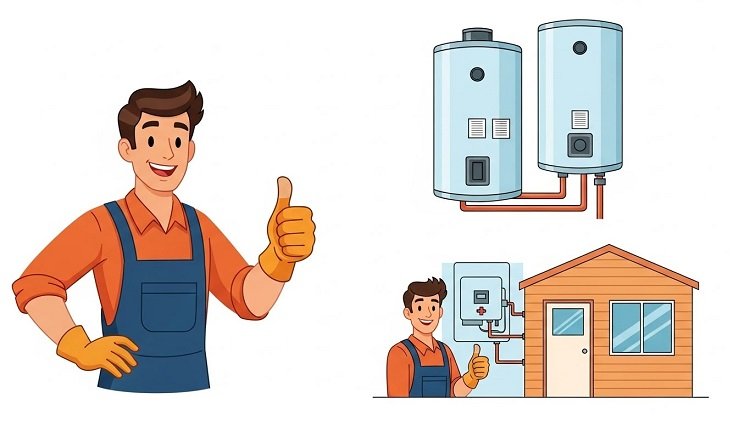
Replacing a water heater is one of the most important home maintenance tasks any homeowner will face, especially when hot water is essential every day. Whether you’re in the USA, UK, Australia, or Canada, understanding what drives water heater replacement costs, how to choose the right system, and when to call a professional can save you time, money, and frustration. In this complete guide, we cover the entire water heater replacement process from identifying the signs it’s time to replace your unit, comparing tank vs tankless models, estimating average costs in different regions, to maintenance tips that help your new system last longer.
By the end of this article, you’ll have a clear picture of everything involved in replacing a water heater, including cost factors, installation options, energy efficiency, and common mistakes to avoid. Whether you’re budgeting for a plumber, exploring DIY options, or choosing the best water heater for your household’s needs, this guide has you covered with practical, region-relevant advice and data. Let’s dive in and make your next water heater replacement project easier and more informed.
What Is Water Heater Replacement?
A water heater replacement means removing an old or malfunctioning hot water system and installing a new unit in its place. This process can vary in complexity, from a “like-for-like” swap to upgrading to a more advanced tankless or high-efficiency model. Replacement usually involves disconnecting the old heater, installing the new unit, reconnecting plumbing and electrical connections, and ensuring everything meets local building codes.
The goal is simple: to restore reliable hot water while improving efficiency and safety. Because improper installation can lead to inefficiency, leaks, or safety issues, many homeowners prefer hiring a professional plumber or HVAC technician, even if DIY seems tempting. Pricing for replacements is heavily influenced by the type and size of the new heater and labor costs in your region.
Signs You Need to Replace Your Water Heater
Knowing when to replace your water heater can prevent emergency breakdowns. Common indicators include:
Age of the Unit
Most traditional tank water heaters last about 8–15 years, while tankless models can last longer with proper care. If your unit is more than a decade old and showing issues, it may be time to replace it.
Rusty or Discolored Water
If hot water appears rusty or discolored, internal corrosion might be occurring. This is often a precursor to leaks or failures that warrant replacement.
Strange Noises
Sediment buildup causes popping or rumbling sounds during heating. Over time, this can reduce efficiency and damage the tank.
Leaks or Pooling Water
Any visible leaks or pooling around the base of your water heater is a serious warning sign, especially in colder climates where frozen pipes can exacerbate issues.
Insufficient Hot Water
A decline in hot water supply or rapid depletion during usage often signals reduced performance, particularly in older units or systems that struggle with household demand.
Recognizing these signs early can help you avoid unexpected breakdowns and costly emergency replacements.
Types of Water Heaters
Choosing the right type of water heater is one of the most important decisions in a replacement project. The main options include:
Traditional Tank Water Heaters
These store and heat water in a tank, typically ranging from 30 to 80 gallons. They are generally more affordable upfront and straightforward to install. Standard tank models cost roughly $600 to $2,500, including installation.
Tankless (On-Demand) Water Heaters
Tankless systems heat water on demand without a storage tank. They are more energy-efficient but have higher upfront costs, often between $1,400 and $3,900+, including installation.
Heat Pump & Hybrid Water Heaters
These systems extract heat from the surrounding air or ground to heat water, offering high efficiency and lower operating costs over time. Installation complexity and upfront costs are higher, typically in the mid-range of tankless systems.
Solar & Alternative Systems
Solar water heaters use the sun’s energy to heat water. They can be excellent in sunny climates like Australia, but involve significant installation costs and may require backup systems.
Each system has unique pros and cons based on household size, energy sources, space availability, and long-term operating costs. Your choice impacts not only installation pricing but also your utility bills over time.
Key Factors That Affect Replacement Cost
Water heater replacement costs depend on multiple factors. Understanding these helps in budgeting and planning.
Size & Capacity
Bigger tanks or systems capable of delivering higher flow rates (for tankless units) naturally cost more. For example, a large 80-gallon tank can cost significantly more than a 30-gallon unit.
Fuel Type
Fuel type influences both equipment cost and running expenses:
- Electric units are usually cheaper to install but may cost more to operate.
- Gas systems require venting and gas lines, but often have lower operating costs.
- Solar/Heat Pump types are energy-efficient but more costly initially.
Labor, Location & Access
Labor represents around 40–60% of total replacement costs. Hard-to-reach installations, stairs, or cramped closets increase labor charges.
Permits & Inspections
Local building codes in many regions require permits for replacing water heaters, adding $25 to $300+ to the total project cost.
Additional Components
New expansion tanks, updated valves, or conversion to a different fuel type also add to costs.
Average Replacement Costs Around the World
Costs vary significantly by region, fuel types, and market conditions.
USA
In the US, average water heater replacement costs range from $800 to $2,500+, depending on unit type and installation complexity. Tankless models generally push costs higher.
UK
In the UK, hot water systems often tie into central heating. Electric units and combi boilers have varied pricing, but replacing a domestic hot water cylinder or heater might range from a few hundred to over £1,500, depending on labor and materials selected (UK pricing trends mirror general EU norms).
Canada
Canadian prices follow similar patterns to the USA, with additional regional variation due to climate and labor rates. Expect replacements to range roughly CAD 1,000 to CAD 3,500+.
Australia
Australia’s market sees variation based on city and fuel availability. Replacement might fall into AUD $1,200 to AUD $4,000+, especially if a switch to more efficient systems is involved.
Note: Local suppliers and labor rates can cause significant fluctuations from these estimates, so always get multiple quotes.
DIY vs Professional Installation
When DIY Makes Sense
Homeowners with plumbing and electrical skills may consider DIY for straightforward like-for-like replacements, especially for electric units that don’t require venting or permits.
Risks of DIY Installation
DIY installation poses potential safety and compliance risks. Improper connections can lead to leaks, poor efficiency, or even hazards. Many manufacturers also void warranties if units aren’t installed by licensed professionals.
What Professionals Do
Professionals handle everything from disconnecting the old system to configuring fuel systems safely, testing for leaks, and ensuring code compliance. For complex installs, like switching to a tankless unit, professional installation is highly recommended.
How to Compare Replacement Quotes
Getting multiple quotes protects you from overpriced services. Ask each contractor for:
- Itemized breakdowns of labor and parts
- Warranty details
- Brand comparisons
- Estimated timelines
Comparing quotes lets you understand whether higher prices include warranted services or just higher markups.
Tips to Lower Replacement Costs
Saving on water heater replacement doesn’t mean cutting corners:
- Replace with a similar size/type to avoid costly retrofits
- Shop for pricing on units before hiring an installation
- Ask about rebates or energy incentives (e.g., tax credits on energy-efficient models)
- Schedule replacements during off-peak seasons
Maintenance After Replacement
After installing your new heater:
- Flush tanks annually to reduce sediment
- Inspect pressure relief valves
- Monitor energy bills for unusual increases
Good maintenance extends equipment life and improves efficiency.
Energy Efficiency & Saving on Bills
Tankless and hybrid systems often deliver better efficiency, lowering utility costs over time. Choosing a high-efficiency model may cost more up front but yield savings in the long run.
Warranty, Permits & Local Codes
Always check warranty terms and local code requirements. Some areas mandate inspections post-installation, which can prevent future issues.
Safety Considerations
Water heaters involve gas, electricity, and water. Prioritize:
- Proper venting for gas systems
- Leak detection
- Regular professional check-ups
Custom Image & Diagram Concepts
-
Diagram: Water Heater Types Comparison
- Split infographic showing tank vs tankless vs hybrid
- Alt text: “Comparison of tank and tankless water heater replacement options and costs.”
-
Flowchart: Water Heater Replacement Steps
- From inspection to installation and maintenance
- Alt text: “Step-by-step water heater replacement process for homeowners.”
-
Cost Breakdown Chart
- Bar chart illustrating average replacement costs by region
- Alt text: “Average water heater replacement costs in the USA, UK, Canada, Australia.”
Quick Takeaways
- Water heater replacement cost varies by type, size, fuel, and labor.
- Tankless models cost more up front but can improve efficiency.
- Permits, labor, and location drive pricing.
- Regular maintenance extends lifespan.
- Get multiple quotes to compare services.
- Consider energy incentives for efficient systems.
- Safety and compliance are critical, especially for gas systems.
Conclusion
A water heater replacement is more than just buying and installing a new unit; it’s about understanding your household’s hot water needs, regional cost differences, fuel options, and installation requirements. Whether you’re upgrading to a tankless system or simply replacing an old tank, preparing ahead of time and comparing multiple quotes can save you money and ensure a smoother project. Regular maintenance after installation also ensures that your system runs efficiently for years to come.
If you’re planning a replacement in the USA, UK, Australia, or Canada, use this guide to make informed decisions and avoid common pitfalls. Always consult local professionals for detailed estimates and code compliance, and consider energy-efficient models to reduce long-term costs. Hot water is essential; make sure your replacement delivers reliability, safety, and value.
FAQs
1. How much does water heater replacement cost?
Typical costs range from around $600 to $3,900+, depending on type, size, and location.
2. What’s the difference between tank and tankless systems?
Tank heaters store hot water; tankless heat on demand, and are generally more efficient but cost more initially.
3. Should I replace my water heater myself?
DIY is only recommended for simple, basic installs. Gas or complex systems should use professionals.
4. How long do water heaters last?
Tank systems usually last 8–15 years, while tankless units can last longer with proper maintenance.
5. Can I save on energy bills with a new water heater?
Yes, especially with tankless or hybrid models and good insulation practices.